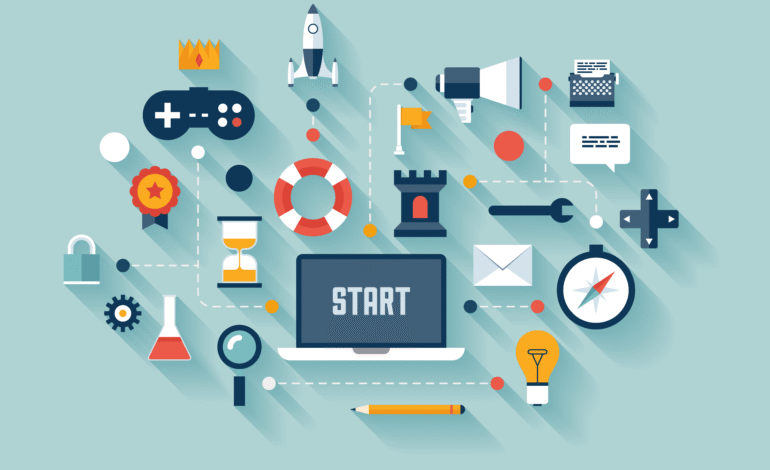

Corporate Game-Based Learning (GBL) is an innovative approach to employee training that uses game mechanics and interactive experiences to enhance learning outcomes in organizations. Unlike traditional classroom or slide-based training, game-based learning focuses on engagement, participation, and real-time problem-solving. By integrating elements such as challenges, rewards, simulations, and storytelling, corporate GBL transforms learning into an immersive experience that motivates employees to actively participate and retain knowledge more effectively.
At its core, corporate game-based learning aligns training objectives with business goals. Organizations use digital games, simulations, and scenario-based challenges to train employees in areas such as leadership, compliance, sales, customer service, cybersecurity, and technical skills. These games often replicate real workplace situations, allowing employees to practice decision-making in a safe, risk-free environment. This experiential learning approach helps employees understand the practical impact of their choices, leading to better performance on the job.
One of the key benefits of corporate game-based learning is increased engagement. Many organizations struggle with low participation and limited attention during conventional training programs. Game-based learning addresses this challenge by making training interactive and enjoyable. Features such as leaderboards, badges, levels, and instant feedback encourage healthy competition and sustained interest. As a result, employees are more likely to complete training modules and stay motivated throughout the learning process.
Another important advantage is improved knowledge retention and skill application. Research in learning psychology shows that people learn better by doing rather than passively consuming information. Game-based learning reinforces concepts through repetition, challenges, and real-time feedback, which strengthens memory retention. Employees can immediately apply what they learn within the game environment, making it easier to transfer those skills to real-world tasks and workplace scenarios.
Corporate game-based learning also supports personalized and scalable training. Modern GBL platforms leverage data analytics and adaptive learning technologies to tailor content based on an employee’s role, skill level, and performance. This personalization ensures that learners receive relevant challenges and progress at their own pace. Additionally, digital game-based learning solutions can be easily scaled across large, geographically dispersed workforces, making them ideal for global organizations and remote or hybrid work models.
From a strategic perspective, corporate game-based learning contributes to improved organizational performance and culture. It fosters collaboration, critical thinking, and innovation by encouraging employees to work together to solve problems. Team-based games and simulations help strengthen communication and leadership skills while promoting a culture of continuous learning. Over time, this approach can enhance employee satisfaction, reduce training costs, and improve overall productivity.
Corporate game-based learning represents a powerful shift in how organizations approach employee development. By combining learning objectives with engaging game mechanics, it creates meaningful, memorable, and effective training experiences. As businesses continue to adapt to rapid technological change and evolving workforce expectations, corporate game-based learning is emerging as a strategic tool to build skills, drive engagement, and support long-term organizational success.